Built from lived experience.
Not from theory.
Every RHSH program addresses a specific gap that military families fall through. Together they form the complete support system that the VA, the schools, and the county all assume someone else is providing.
Housing Stabilization
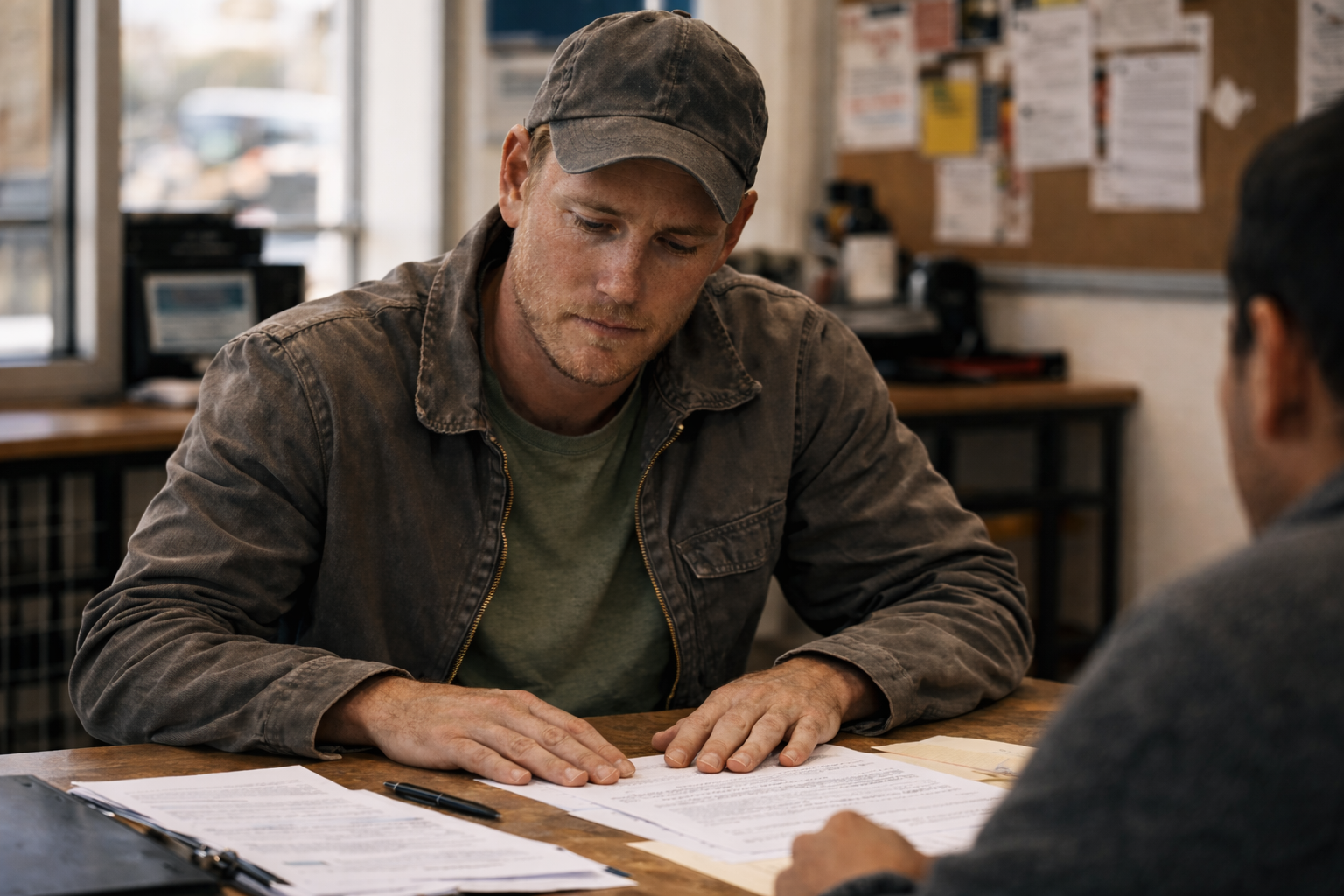
Veterans experiencing housing instability face a system full of programs that have waitlists, eligibility requirements, and no one to help them navigate the paperwork. RHSH's housing stabilization program provides emergency funds, rapid placement, and a personal navigator who stays through the entire process.
We handle what veterans cannot do alone when they are in crisis: lease applications, background check waivers, utility setup, landlord negotiation, and the endless forms that stand between a veteran and a roof. We know the system cold. We use that knowledge every day.
Teen Resilience Cohorts
Military teenagers absorb their parent's trauma in silence. They watch a parent come home changed. They carry the weight of a household under stress. They show up to school without anyone knowing why they're struggling — and school counselors, stretched across hundreds of students, rarely have the time to find out.
RHSH's teen resilience cohorts are 12-week structured programs specifically designed for teenagers in military families. Weekly 90-minute sessions covering emotional regulation, coping skills, peer connection, and self-advocacy. Facilitated by trained youth workers with military family expertise. Free. School-aligned. Trauma-informed.
Who this is for
Middle and high school students (ages 12–18) in Colorado Springs military families. Students may be referred by school counselors, parents, or veterans themselves. All participation is free and voluntary. Bilingual cohorts available for Spanish-speaking families.
Complete 12-week cohort — facilitation, curriculum, coordination, bilingual support, outcome reporting.
Full semester of teen resilience programming at one Colorado Springs partner school.
Peer Mentorship Circles
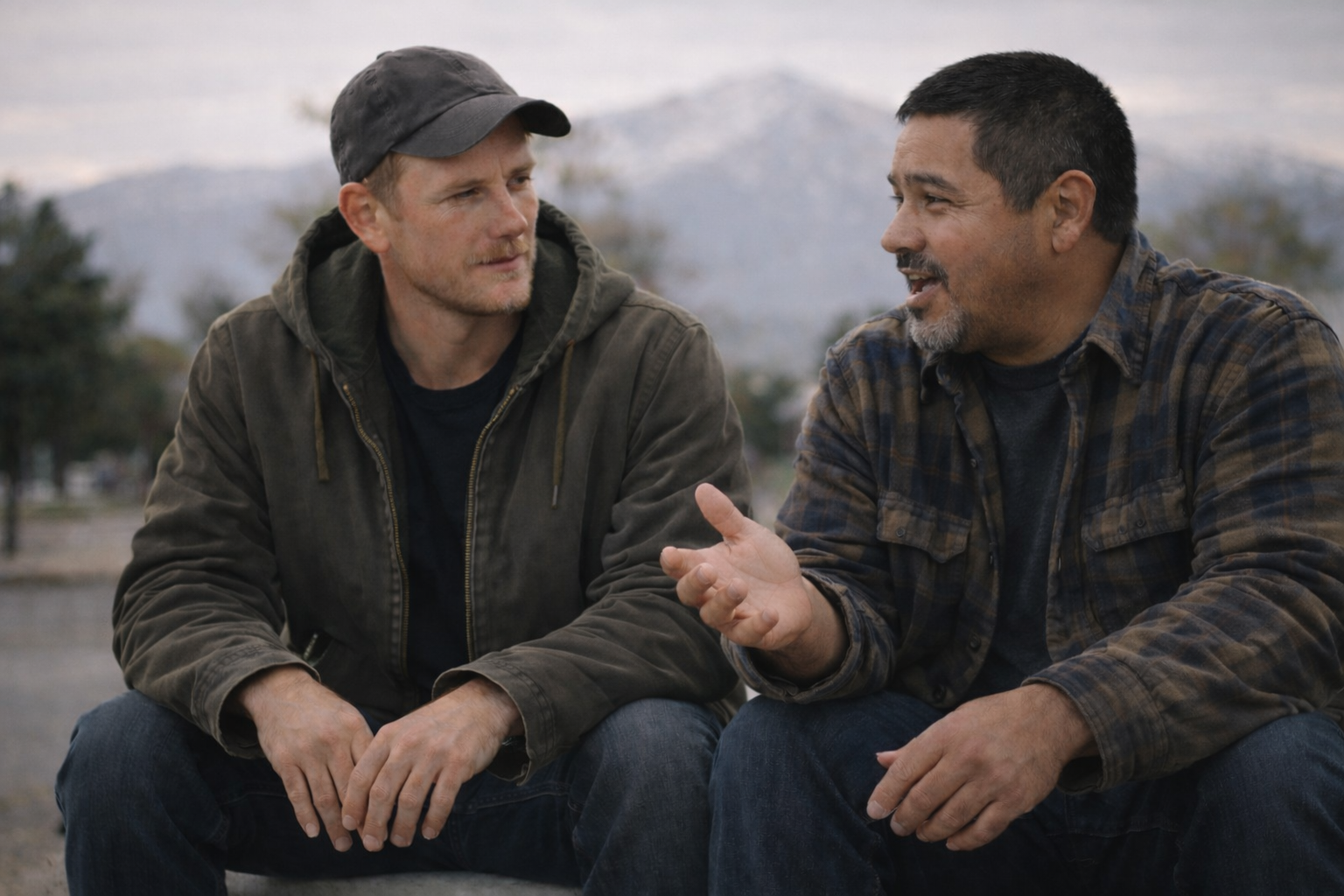
Isolation is one of the most dangerous symptoms of veteran PTSD — and one of the hardest for clinical services to address. Peer mentorship reaches places that therapy cannot: the particular understanding of someone who has been exactly where you are.
RHSH runs two parallel mentorship tracks: veteran-to-veteran circles for service members navigating reintegration, and teen-to-teen circles for military youth navigating adolescence in households shaped by war. Both tracks are facilitated, structured, and built for consistency — because the research is clear that mentorship works when it shows up reliably.
Bilingual Family Support
Latino service members make up nearly 18% of the U.S. military. In Colorado Springs — with its large and growing Latino military community — that population is significant, deeply rooted, and dramatically underserved by programs that operate in English only.
RHSH provides fully bilingual family navigation in English and Spanish — intake, assessment, resource guidance, referral coordination, and follow-up. Our bilingual program officer, Dr. Sofia Reyes, brings fourteen years of experience serving Colorado's Spanish-speaking military families and deep fluency in the cultural context that shapes how Latino veterans and their families navigate — or avoid — support systems.
Why this matters strategically
Language is not the only barrier. Cultural context shapes whether a Latino veteran will seek mental health support, whether a family will engage with services, and whether a teenager will participate in a cohort. RHSH's bilingual program is designed for both — the language and the culture.
This program also opens a distinct and undercompeted funding lane. Foundation funders actively seek organizations serving Latino populations with cultural competence. RHSH's bilingual capability is a grant differentiator in every application we submit.
Employment Transition
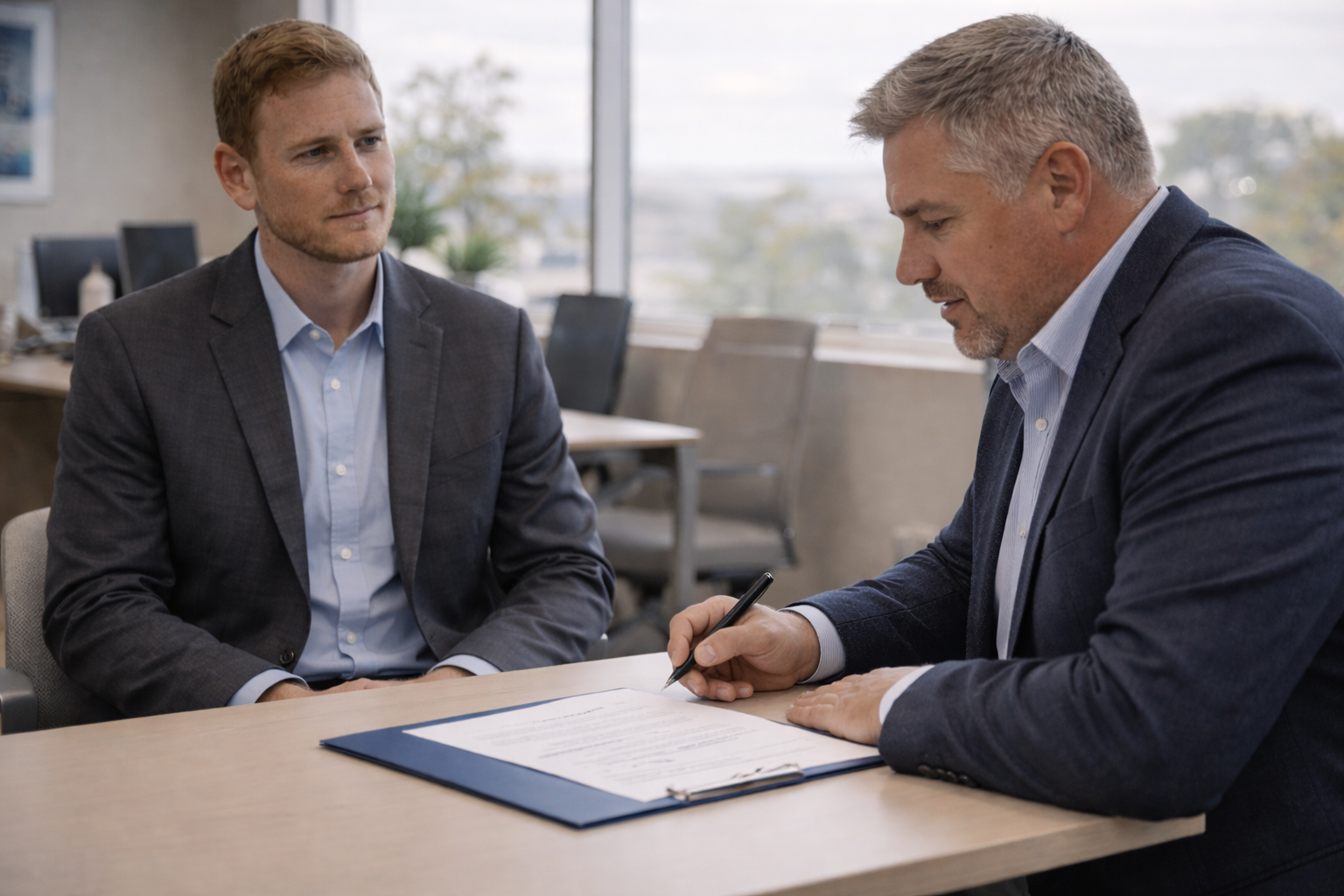
Veterans come out of the military with leadership, discipline, technical expertise, and the ability to function under conditions most civilians will never experience. And then they sit across from a civilian hiring manager and none of it translates — because the language is different, the context is different, and nobody taught them how to make the crossing.
RHSH's employment transition program provides resume translation, interview coaching, employer partnerships, and direct job placement support. Our board member Cole Whitfield — a Navy veteran and corporate development executive — opens doors that applications alone cannot. We connect veterans to employers who understand military talent and are actively seeking it.
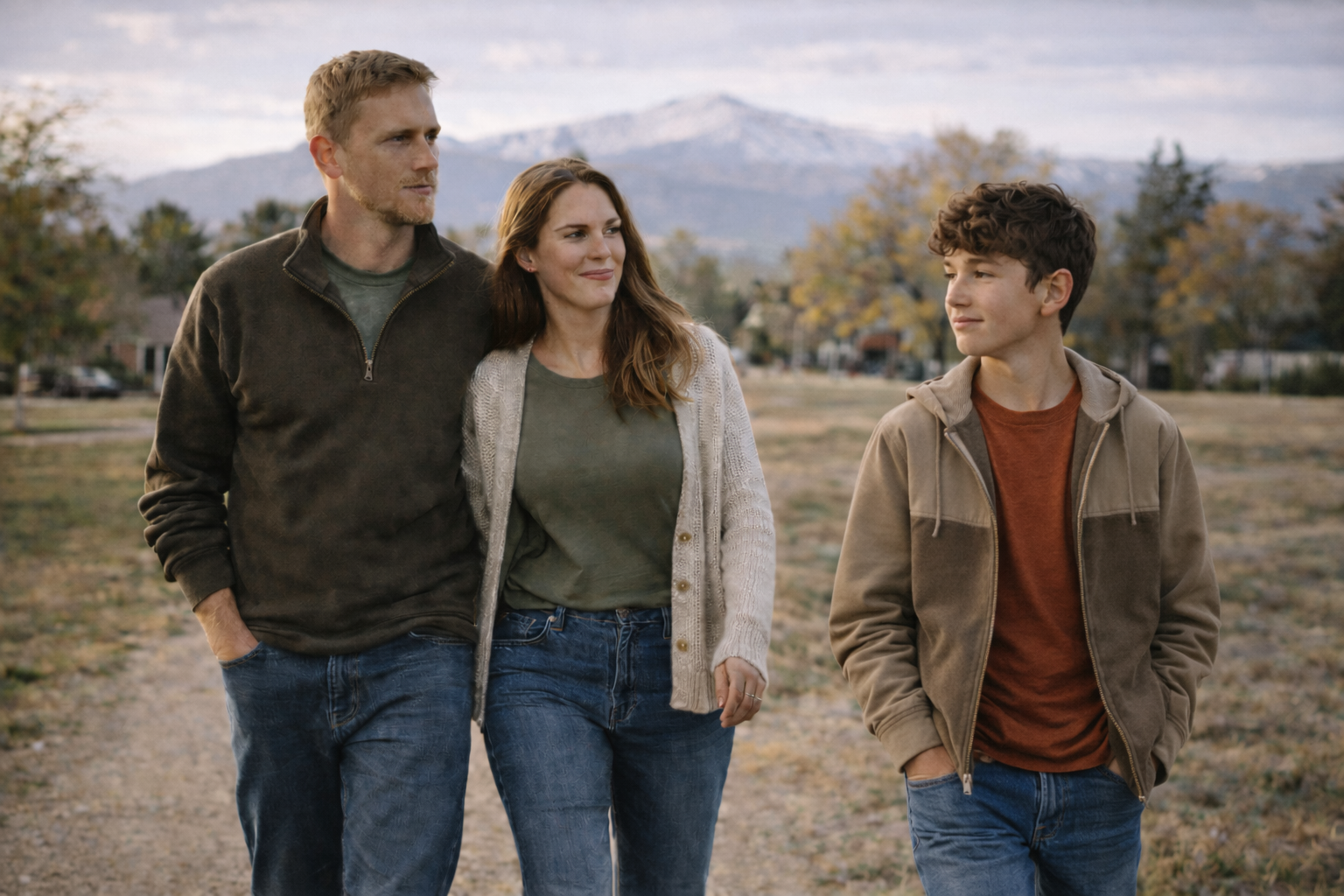
Six programs. One family. No gap left open.
The VA covers some of this. Schools cover some of this. County services cover some of this. But nobody covers the family as a whole unit — the veteran and the teenager and the spouse and the household that absorbed a war together. RHSH is the bridge between what exists and what military families actually need.
Every program was designed because Amanda Robinson personally fell into the gap it fills. That is not a metaphor. It is the origin of every service line on this page.
All RHSH programs are free to military families. No eligibility gatekeeping. No waitlists. Colorado Springs, Colorado.