Restoring Hearts Supporting Hands exists because one mother watched her son come home from war and nearly disappear — while a system that was technically designed to save him failed him in every practical way.
This is not a story about a nonprofit founder who identified a market gap. It is a story about a mother who sat in VA waiting rooms, made calls that went unreturned for weeks, and watched her decorated, extraordinary son sleep in his car in Colorado Springs because the system had no room for the urgency of his need.
When Garrett Robinson stabilized, his mother Amanda asked one question that became everything: what happens to the veterans whose mothers don't fight the way I did?
Amanda Robinson spent twelve years as a licensed clinical social worker in Colorado's community health system before she understood — truly understood — what trauma looks like from the inside.
She grew up in a stable home in Colorado. She went to school, earned her MSW from the University of Denver, and spent over a decade working at the intersection of trauma, family systems, and community health. She knew the clinical language. She knew the research. She thought she knew the experience.
Then her son Garrett came home from Afghanistan and she learned that knowing about trauma and living inside someone else's is entirely different.
Garrett enlisted at 20. He served two tours. He came home at 23 carrying things she could see in his eyes but that he had no words for.
What followed was a two-year education in the gaps of Colorado's veteran support system — not from the outside, but from the inside of it, desperate and determined. Amanda navigated every VA program, every county resource, every housing navigator and mental health referral that existed. She sat in waiting rooms for appointments scheduled months out. She called caseworkers who managed caseloads no single person should carry. She learned every workaround and loophole and back door in a system that was technically built for her son but practically not ready for the urgency of his need.
Garrett lost his apartment in Colorado Springs in 2021. He was sleeping in his car when Amanda found out. He had been on a VA housing waitlist for four months.
He survived. Not because the system worked — but because Amanda refused to stop pushing it.
When Garrett was finally stable, Amanda sat with two questions she could not stop hearing: what happens to the veterans whose mothers don't fight the way I did? And what happens to their teenagers — the children who watched a parent come home and slowly disappear?
Restoring Hearts Supporting Hands is her answer to both.
Licensed clinical social worker. Twelve years in Colorado community health, trauma, and family systems.
Two tours in Afghanistan. Garrett returns decorated and wounded in ways the VA waitlist cannot accommodate.
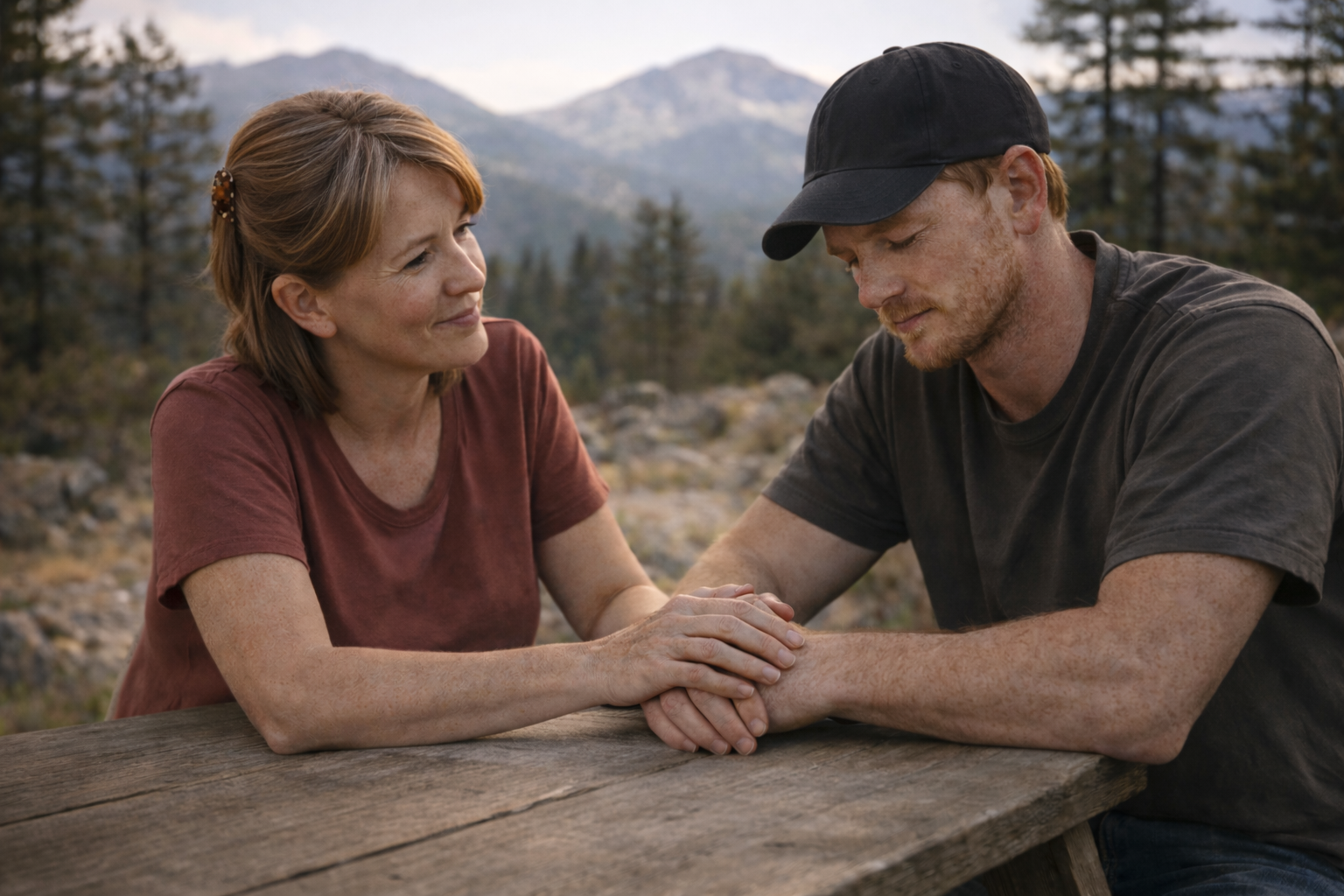
Amanda navigates every resource, every program, every gap. Garrett loses his housing. She refuses to stop fighting.
The question that becomes everything: what happens to the veterans whose mothers don't fight the way I did?
Restoring Hearts Supporting Hands launches. Built for military families. Built for their teenagers. Built to last.
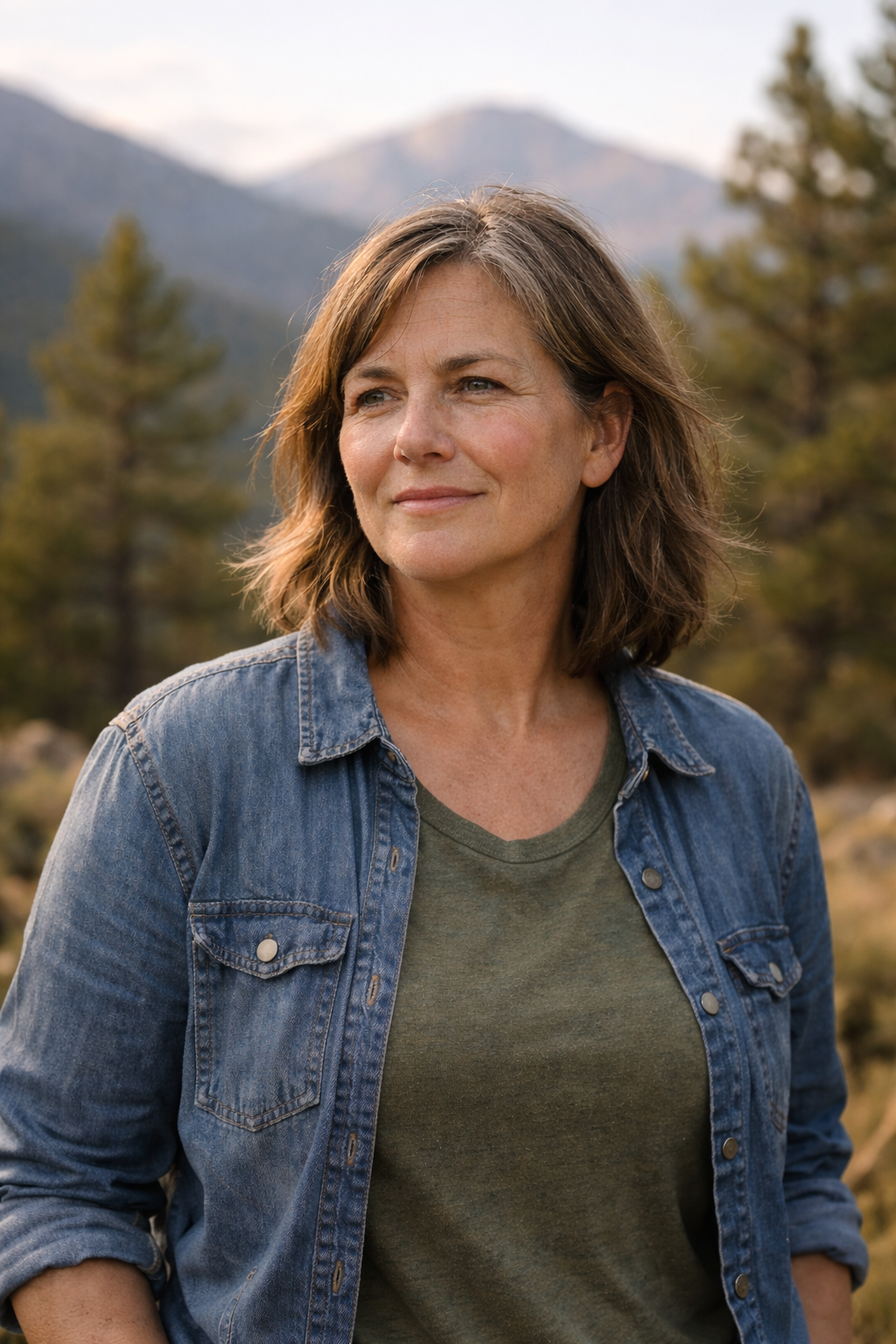
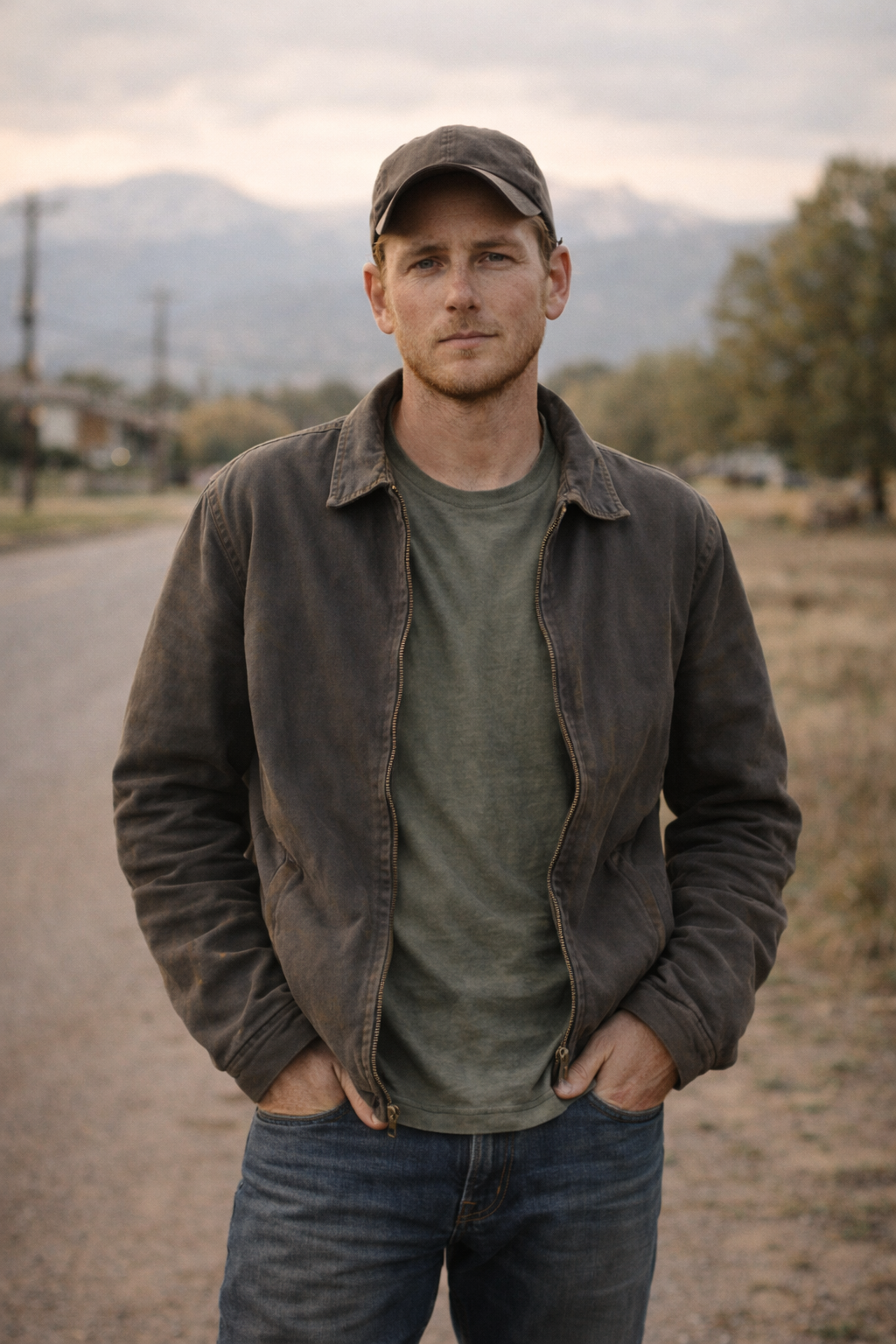
Garrett Robinson enlisted at 20 because he believed in something. Two tours in Afghanistan with the U.S. Army later, he came home with commendations his mother keeps in a box neither of them can quite bring themselves to open.
What came home with him was harder to name. PTSD that presented as silence and distance — the kind that is easy to miss until it becomes impossible to ignore. Not rage. Not obvious crisis. Just a person slowly going somewhere you cannot follow.
By 2021 Garrett had lost his apartment in Colorado Springs, his job, and most of his closest friendships. He was sleeping in his car for four months before his mother found out. He had applied for VA housing assistance. He was on a waiting list.
What followed was a two-year journey through a system built for veterans like him that failed him in nearly every practical way. Appointments that took months to schedule. Mental health referrals with backlogs stretching into the next year. Housing navigators managing caseloads no single person should carry. His need was urgent. The system was slow. His mother was relentless.
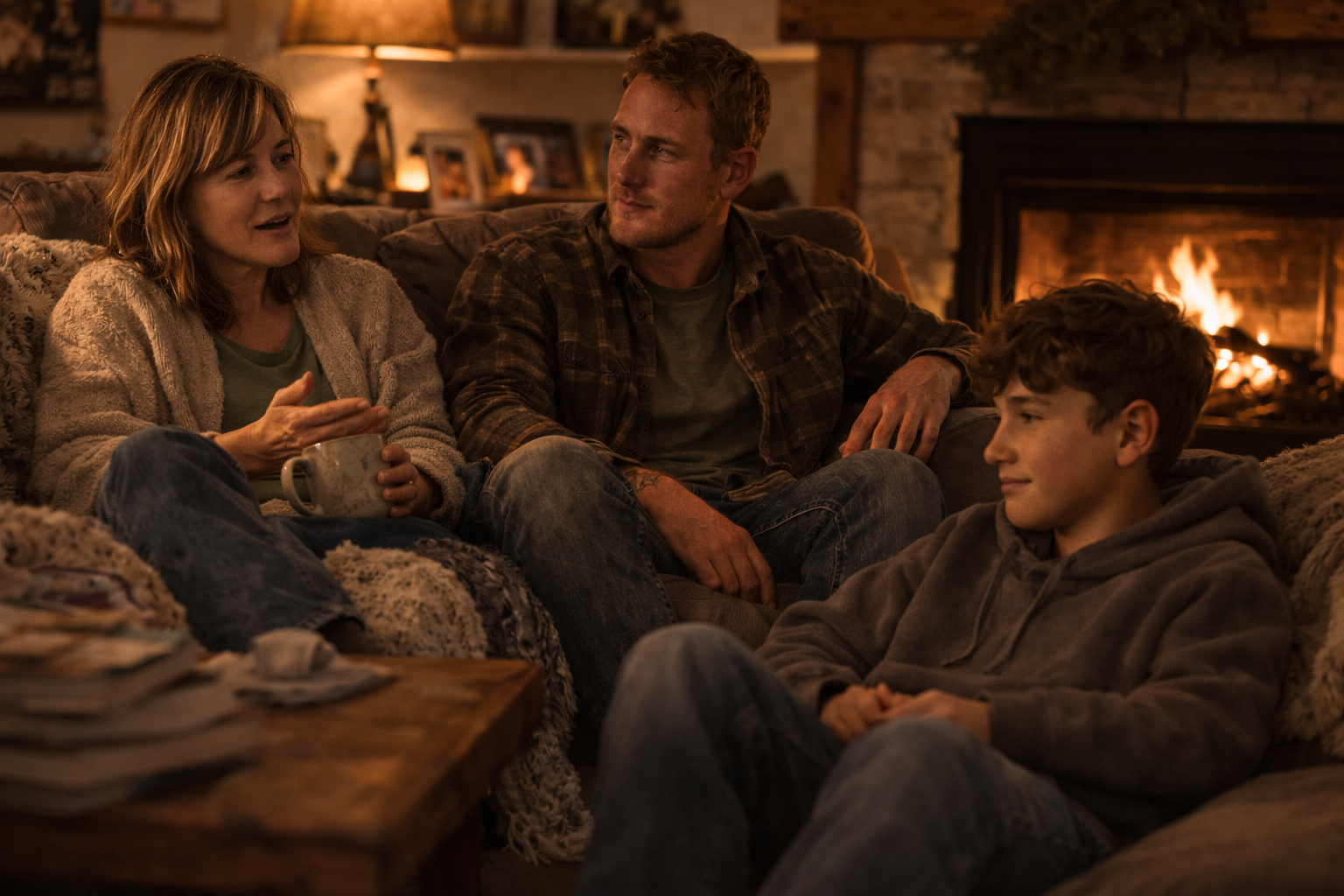
Garrett survived. Today he is stable, employed, and present — including for his teenage son Dylan, who grew up watching his father's absence and now has him back. That second story — a teenager who almost lost his dad to a war that ended before it stopped — is part of why RHSH's mission extends beyond the veteran to the family that carried the weight while he was gone and while he was lost.
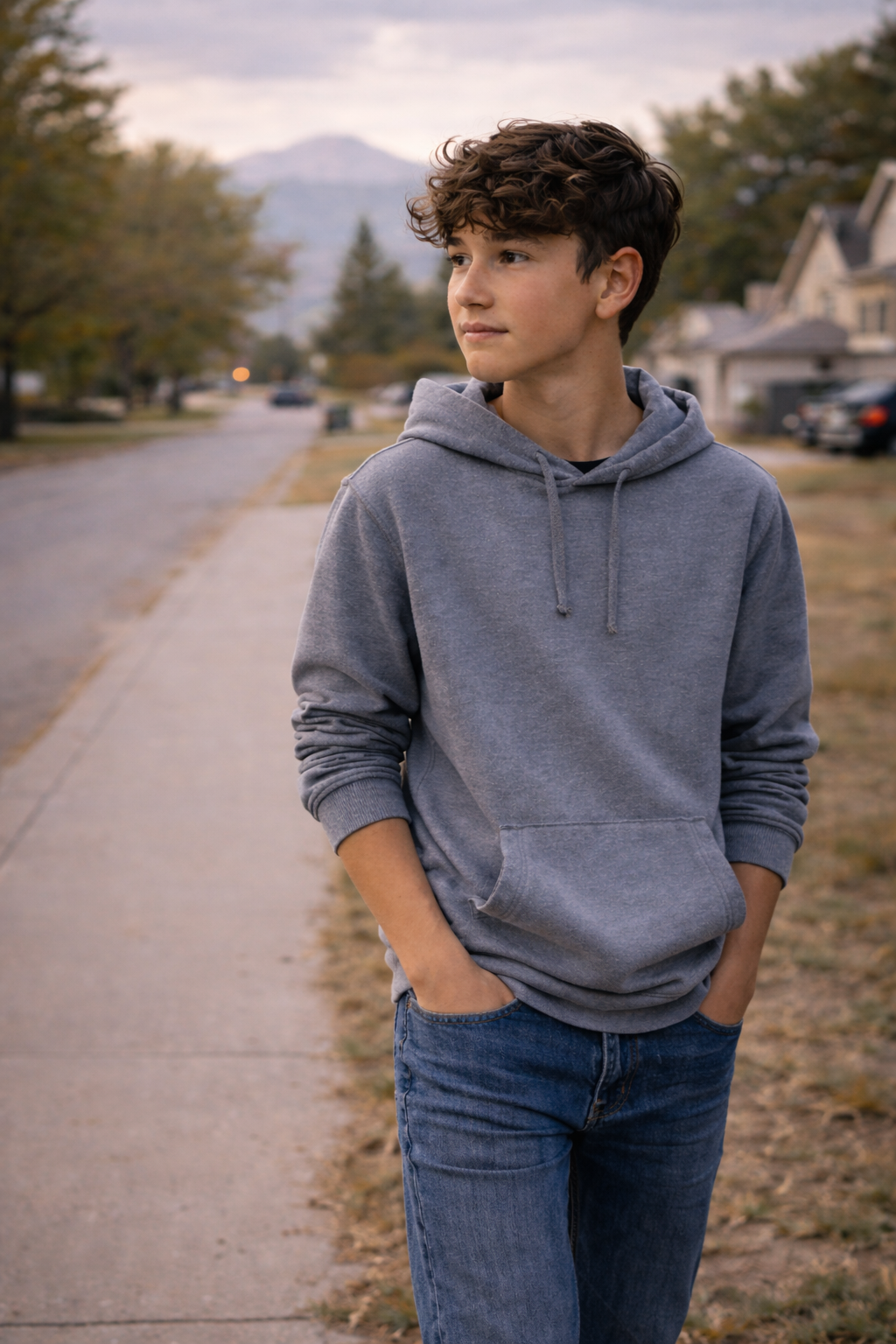
Garrett's son Dylan was fourteen when his father was at his lowest. He watched a decorated soldier become someone he didn't recognize. He didn't have language for what was happening — just the experience of it, absorbed quietly, the way teenagers absorb everything.
Dylan is doing well now. But he represents thousands of Colorado teenagers who are not — military kids who carry a parent's war in their nervous systems and show up to school without anyone knowing why they're struggling. RHSH was built for Garrett. And for Dylan. And for every teenager in a military family where the war came home and nobody built a program for what happened next.
RHSH is not a single-issue organization. It was built at the intersection of three crises that the system treats as separate — and that military families live as one.
Mental health navigation, peer connection, and housing support for veterans like Garrett — who served at the highest level and deserve support at the same standard.
Military families absorb a veteran's trauma together. RHSH supports the whole family — because healing the veteran without healing the family is only half the job.
For teenagers like Dylan — who grew up in the shadow of a parent's invisible wounds and need structured support before challenges become crises.
These are not aspirational statements. They are the principles that emerged from Garrett's story, Amanda's two years inside the system, and every military family we have met since.
Veterans held themselves to a standard most of us will never know. We hold ourselves to that same standard — in our finances, our programs, and our promises.
You cannot heal a veteran without healing the family. You cannot support a teenager without understanding the home they come from. We refuse to serve half a person.
We serve Colorado military families. We know Colorado's systems, its gaps, and its communities. Local knowledge is not a nice-to-have — it is everything.
VA waitlists measure urgency in months. We measure it in hours. When a family reaches out, we respond the same day. Always.
Colorado's military families are Latino, Indigenous, Black, Asian, and white. Our programs, our staff, and our board reflect that — because support that doesn't reach everyone isn't support.
We publish exactly how every dollar is used and exactly what outcomes we delivered. Because military families deserve an organization as accountable as they were.
Colorado Springs has the highest concentration of active duty and veteran military families in Colorado. It also has some of the most significant gaps in mental health and family support services for those families — particularly for teenagers who absorbed a parent's trauma without ever being identified as someone who needed help.
RHSH was built for that gap. Not to replace the VA. Not to duplicate what exists. But to stand in the space between what the system offers and what military families actually need — and to stay there, consistently, with the urgency and care that the system rarely manages to provide.
Founded by Amanda Robinson in 2024. Built for Garrett. Built for Dylan. Built for every military family that deserved better.