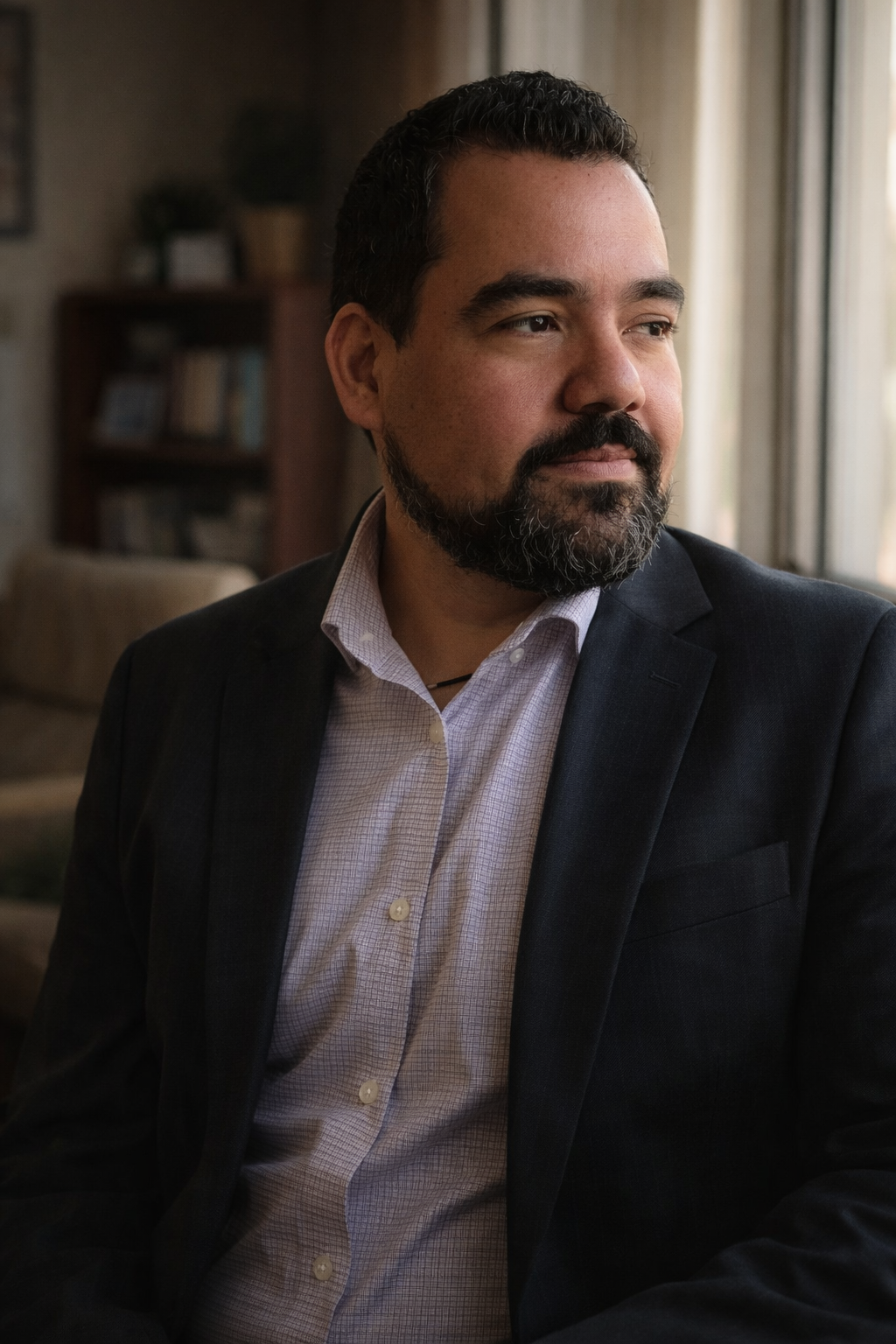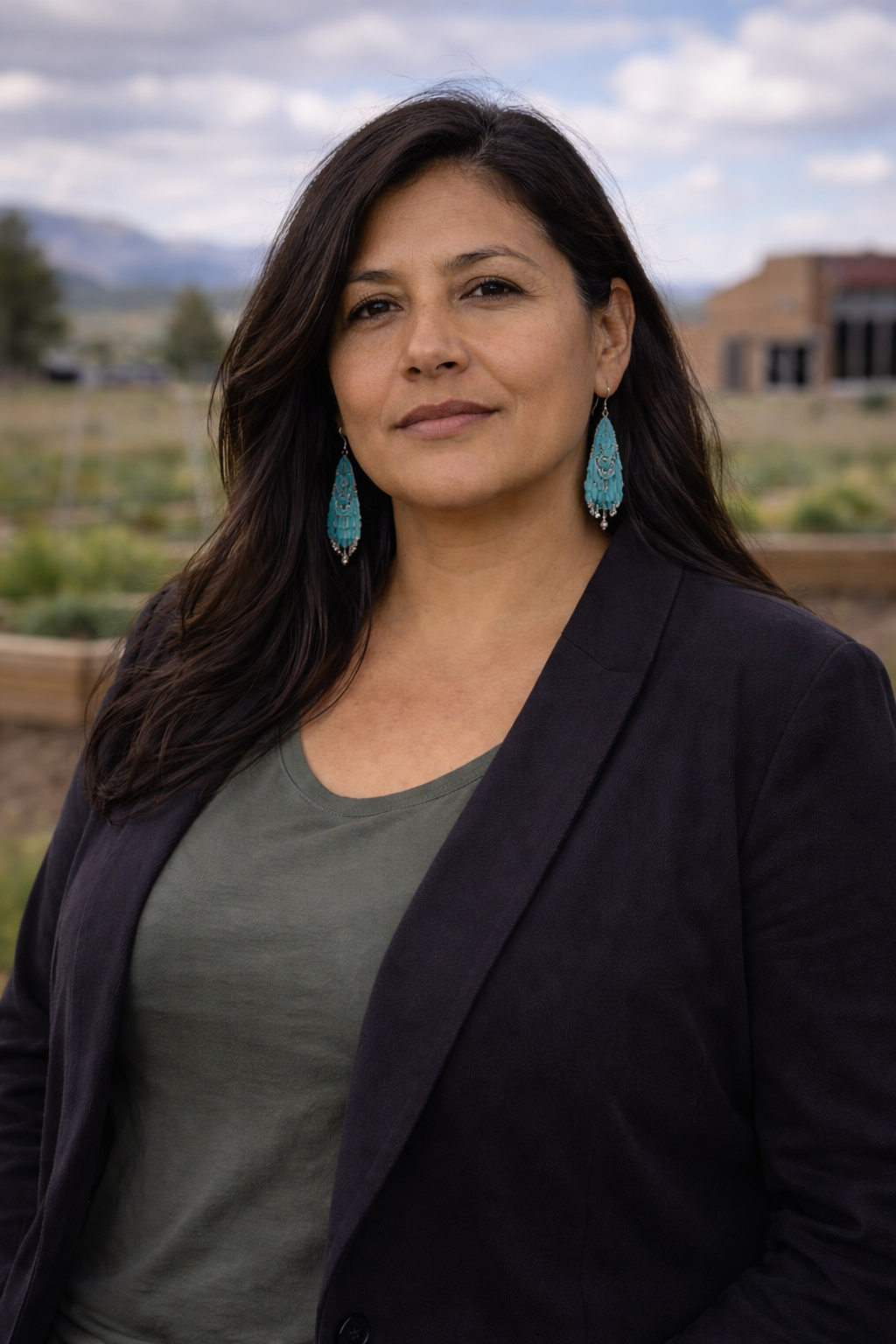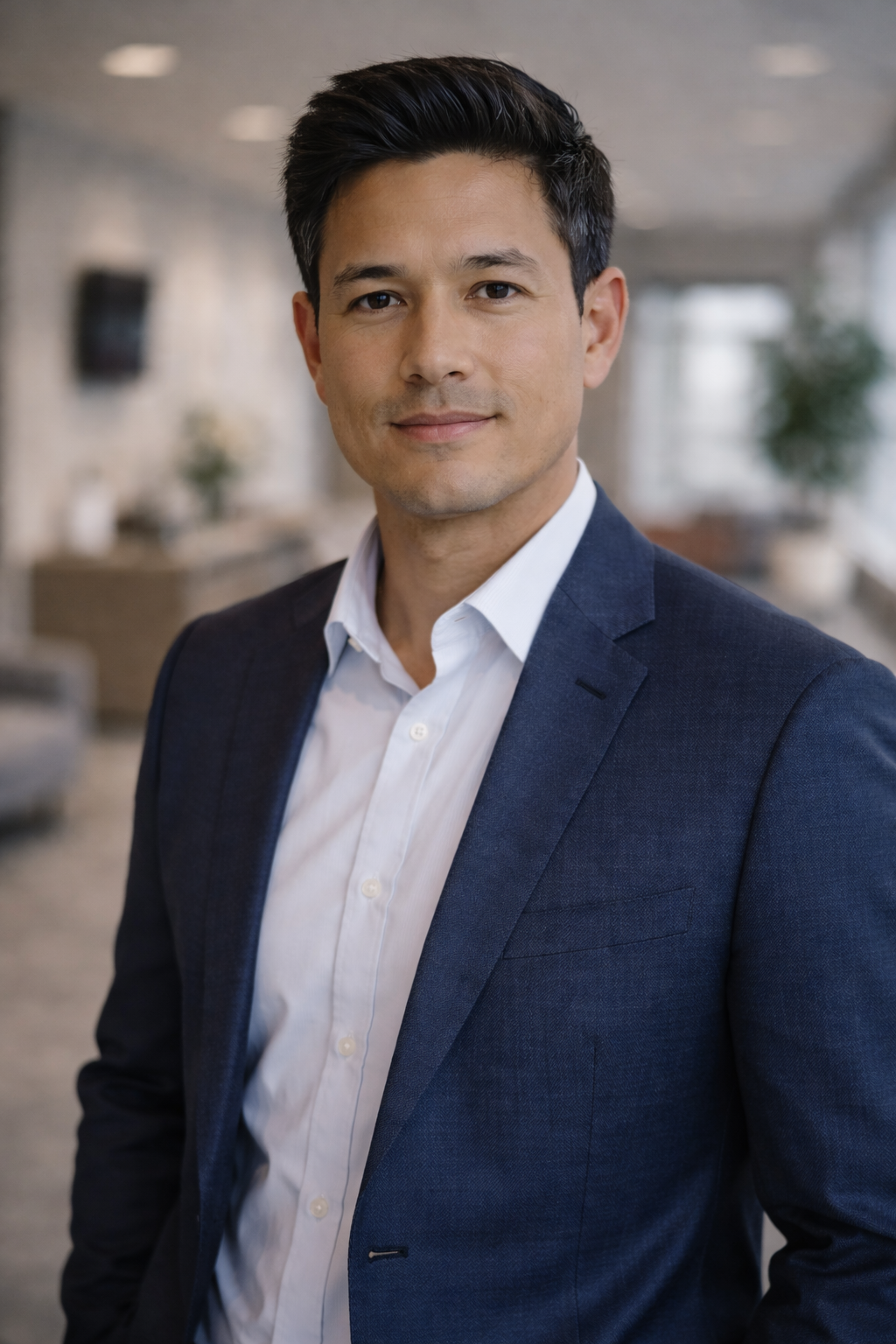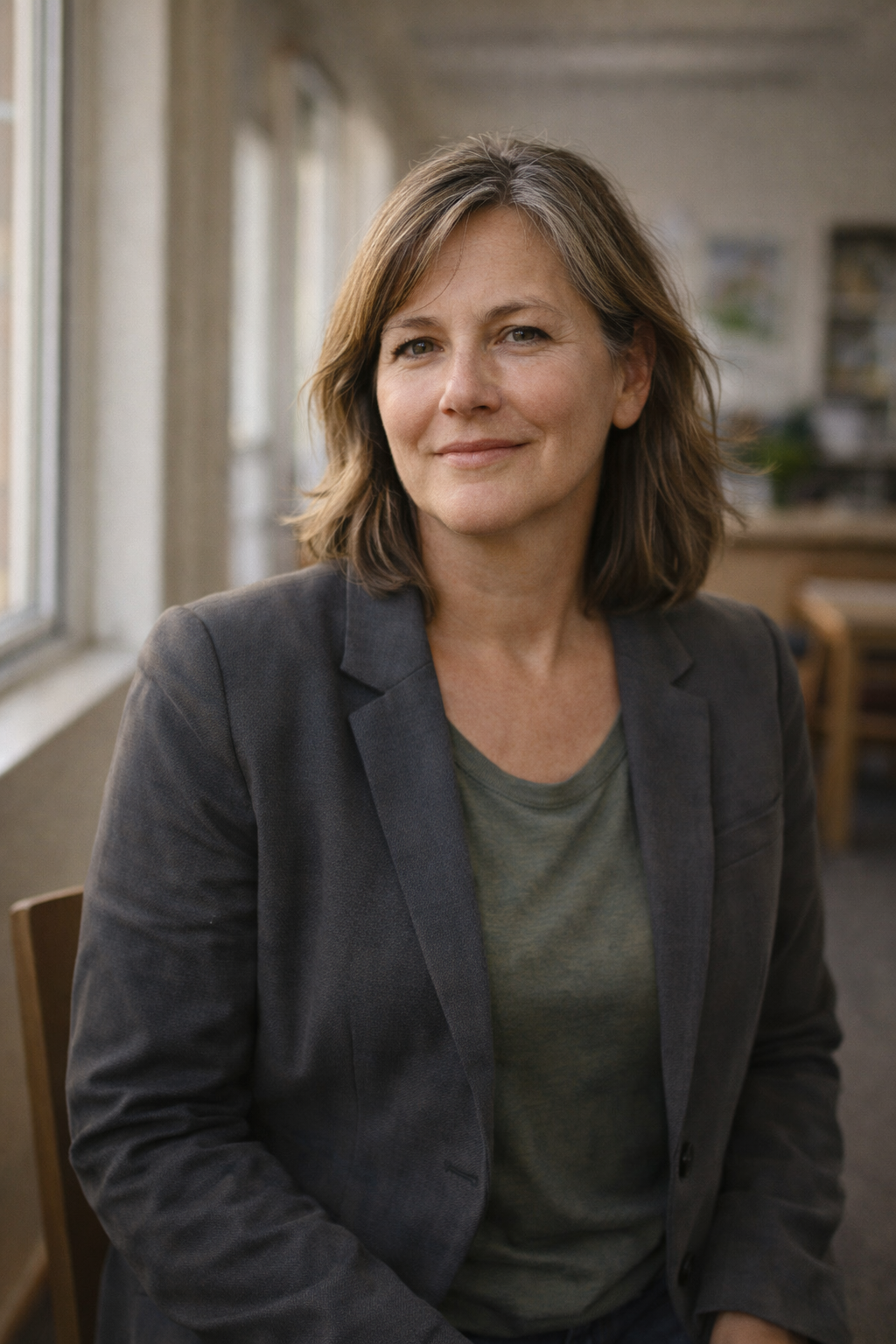
RHSH is governed by people who have a personal stake in this mission — not just professional credentials. Every board member joined because a story, a loss, or a conviction demanded it.
EIN: 93-4976456
Quarterly meetings · Annual review · Financial oversight
Dual authorization · Board Treasurer oversight · Cloud accounting
Amanda Robinson spent the first half of her career doing everything right. Licensed clinical social worker. Twelve years navigating Colorado's community health system. She understood trauma academically, professionally, clinically — and thought she understood it completely.
Then her son came home from Afghanistan and she learned that understanding trauma and living inside it are entirely different things.
Garrett Robinson enlisted at 20. Amanda drove him to the recruitment office herself, because that is what you do when your son believes in something bigger than himself. He served two tours. He came home at 23 carrying things she could see but he could not name. What followed was two years Amanda describes as the most clarifying — and most devastating — experience of her life.
She navigated every VA program, every Colorado Springs resource, every housing navigator and mental health referral the system offered. She sat in waiting rooms. She made calls that went unreturned for weeks. She watched her son — decorated, disciplined, extraordinary — nearly disappear inside a system that technically existed to save him.
When Garrett stabilized, Amanda turned her clinical training, her personal experience, and two years of hard-won system knowledge toward one question: what happens to the veterans whose mothers don't fight the way I did? And what happens to their teenagers — the children growing up watching a parent vanish?
Restoring Hearts Supporting Hands is her answer. Built in Colorado Springs because that is where the need is greatest. Built for military families because that is who the system forgets. Built for teenagers because that is where the second wound lands.
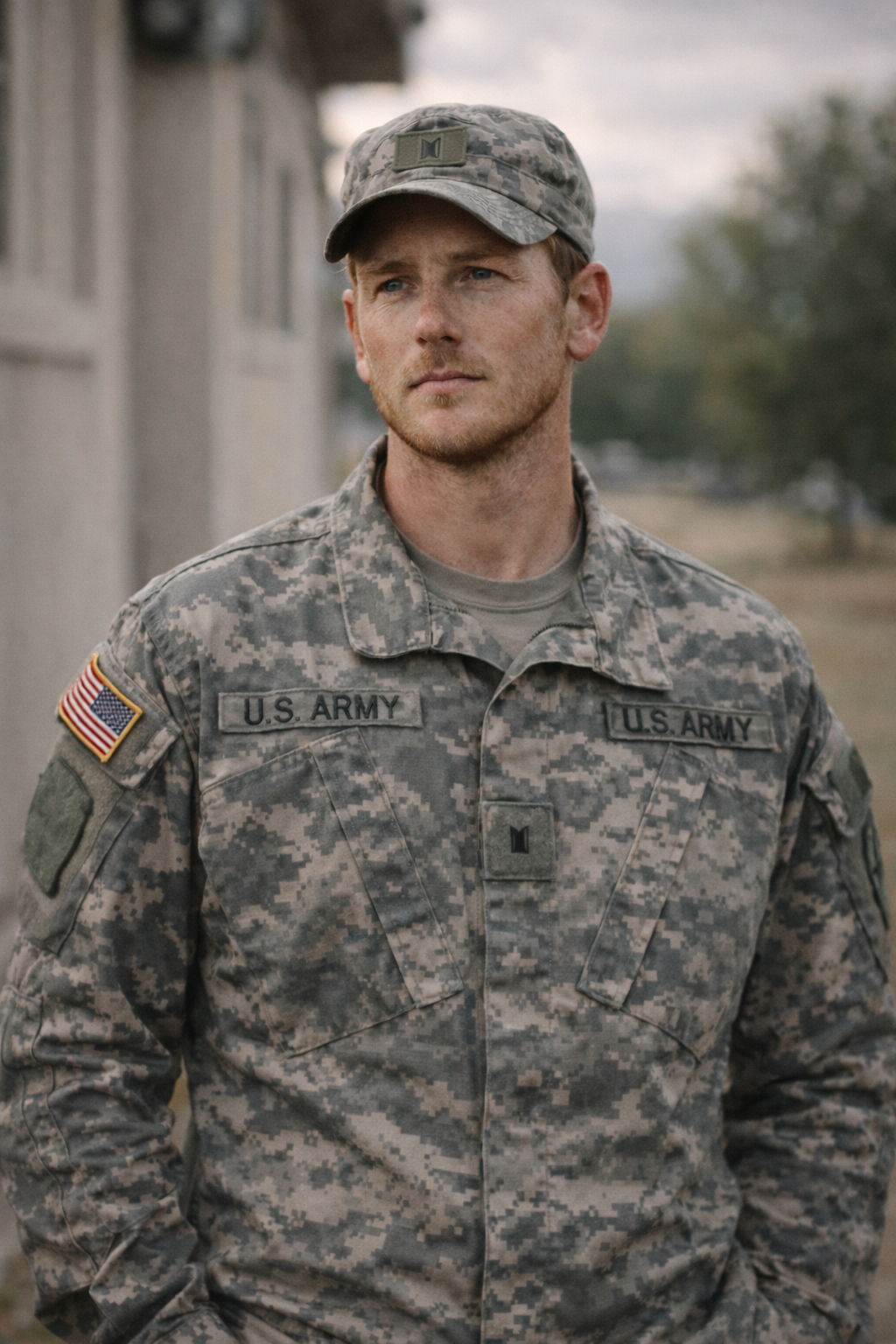
Garrett Robinson enlisted at 20 because he believed in something. Two tours in Afghanistan with the U.S. Army later, he came home with commendations his mother keeps in a box neither of them can quite bring themselves to open.
What came home with him was harder to name. PTSD that presented as silence and distance — the kind that is easy to miss until it is impossible to ignore. By 2021 Garrett had lost his apartment in Colorado Springs, his job, and most of his closest friendships. He was sleeping in his car when his mother found out.
Today Garrett is stable, employed, and one of the most compelling voices in Colorado Springs on what veteran reintegration actually looks like from the inside. He serves as RHSH's Veteran Ambassador — the living proof that the mission works, and the clearest answer to the question every funder asks: does this organization understand the people it serves?
He is also the reason his teenage son, Dylan, now has a father who is present. That second story — the teenager who almost grew up without his dad — is why RHSH's mission extends beyond the veteran to the family that came home to the consequences of war.
Every board member has a personal reason for being here — a story, a loss, or a conviction that demanded action. This is not a board assembled from a list. It is a board forged from experience.
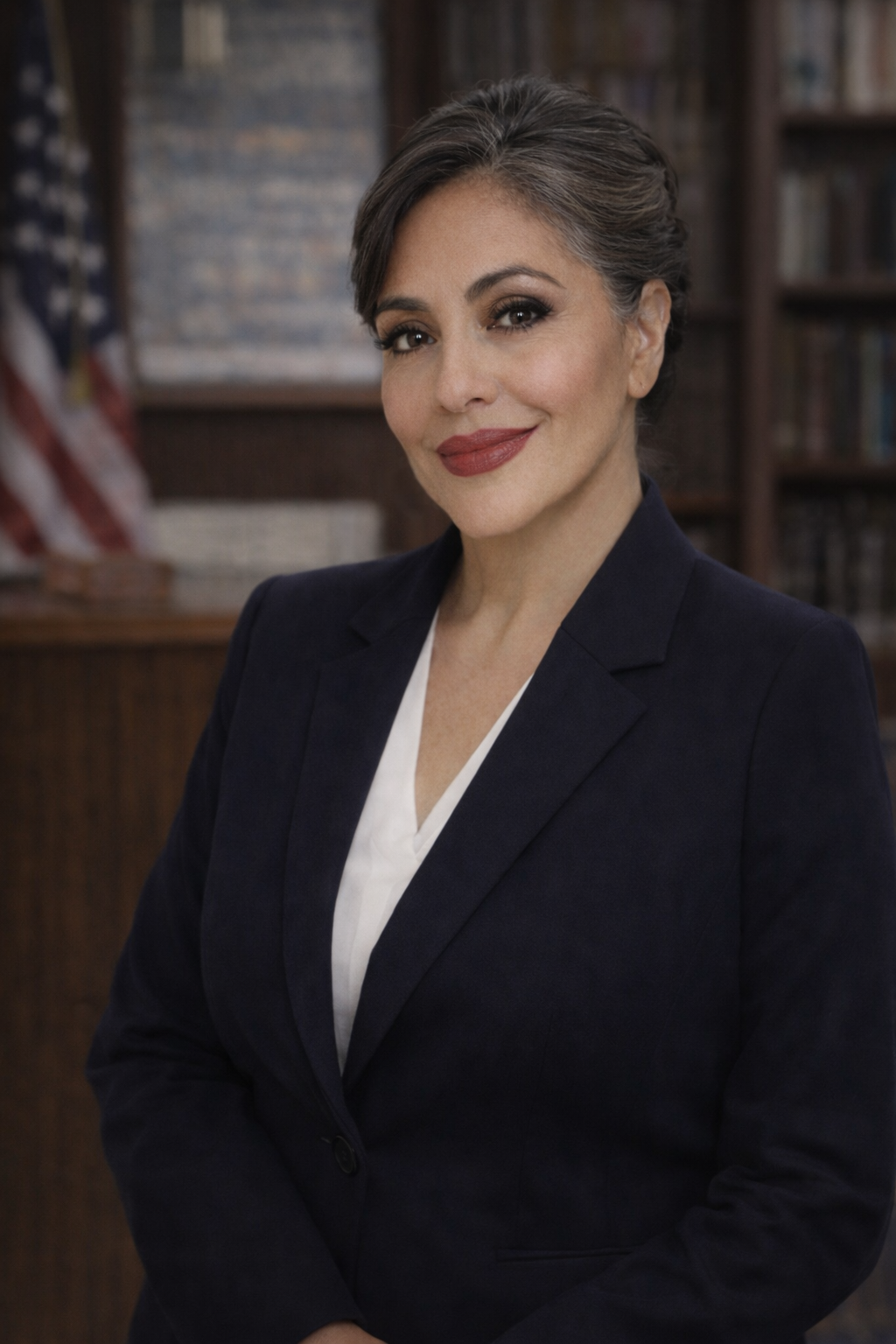
Sandra Chavez spent 25 years in the United States Army — serving in Bosnia and Iraq, earning the Bronze Star, and building a career defined by service to the people around her and the communities she returned to. She holds a Master of Public Administration from the University of Colorado Colorado Springs, which is where she put down roots and where she intends to stay.
Sandra joined RHSH because she spent a career watching what happens to military families when command structures end and civilian support structures don't begin — and because she knows from personal experience how isolating that gap can be. As Board Chair, she brings the moral authority of a decorated combat veteran, the policy knowledge of an MPA, and the community grounding of someone who chose Colorado Springs not as a posting but as a home.

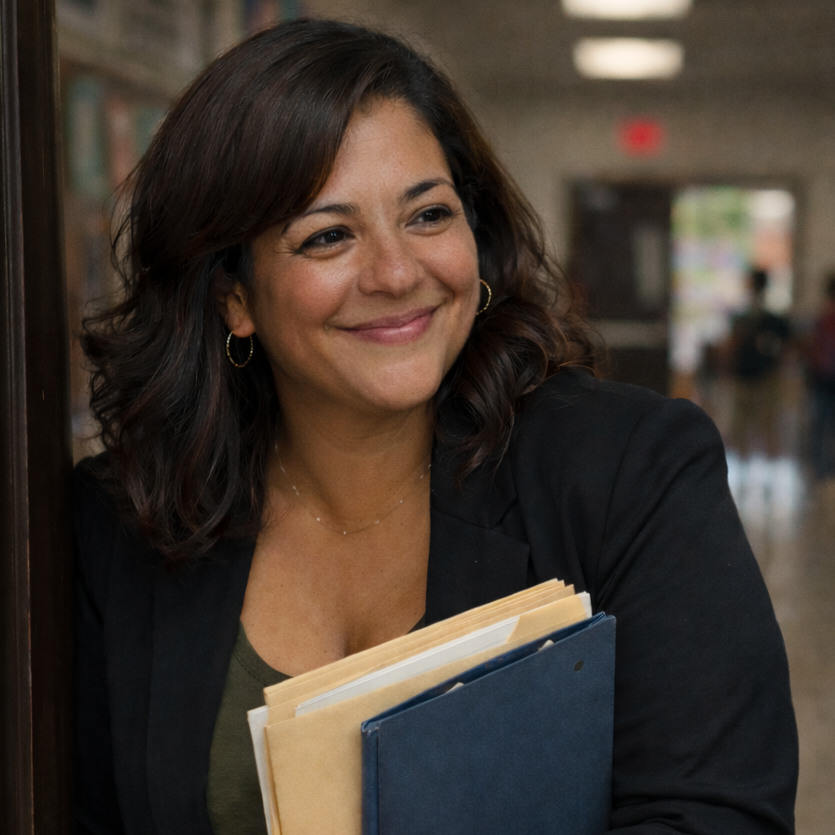
School psychologist with 14 years of practice in Colorado Springs and Pueblo school districts. Dr. Reyes grew up in a military family — her father served two decades in the Army — and watched firsthand how a parent's invisible wounds can reshape a teenager's entire development. She pursued school psychology specifically to work with the population she grew up alongside: military-adjacent kids who carry things they have no language for.
Dr. Reyes oversees RHSH's teen resilience curriculum and program design. She is fully bilingual in English and Spanish and brings deep knowledge of the Latino military family community — one of Colorado Springs' largest and most underserved populations.

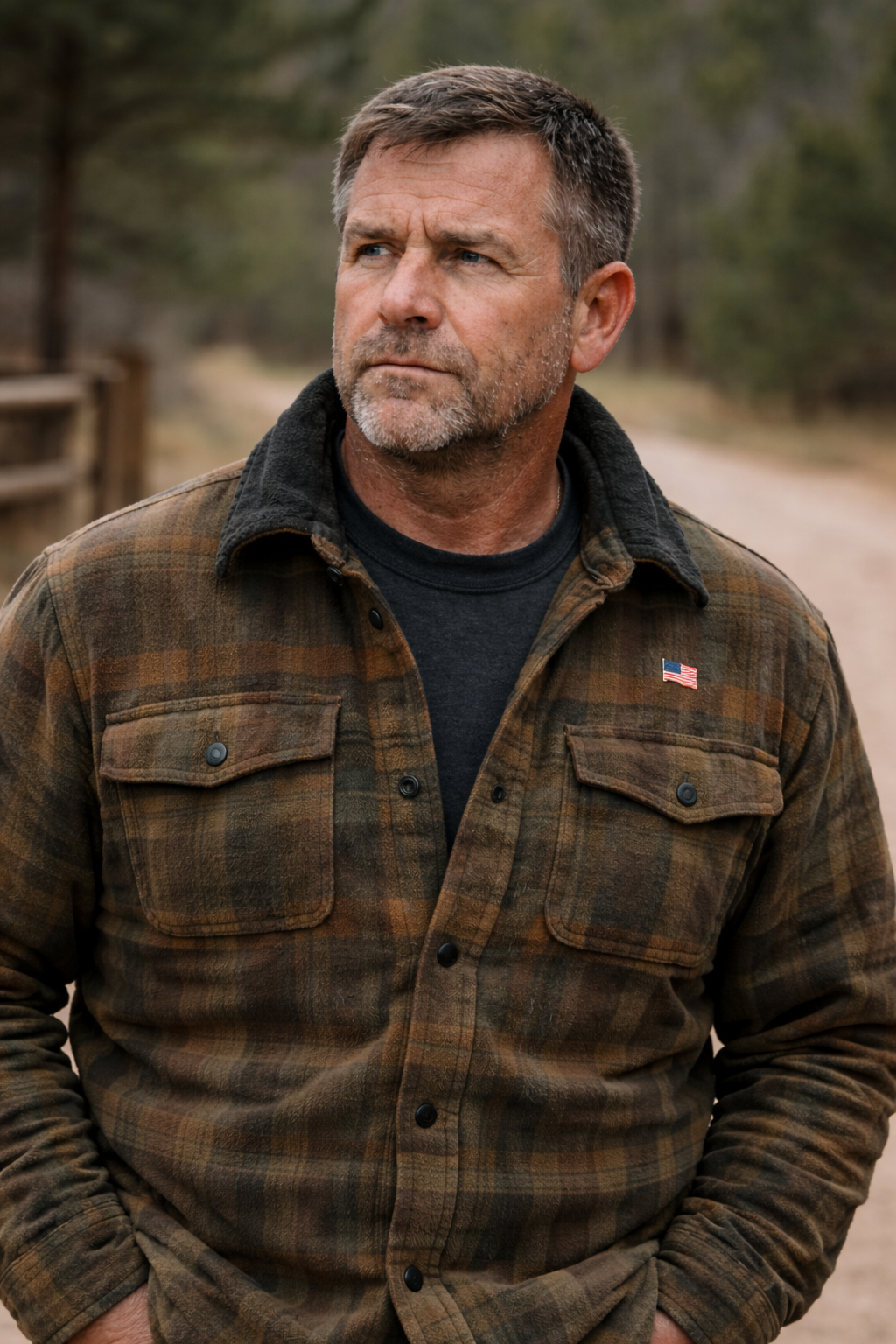
Jim Kowalski served 22 years in the United States Marine Corps and has spent the decade since building bridges between Colorado Springs' military and civilian communities. He runs a peer support network for veterans in El Paso County and knows the gaps in Colorado's veteran support infrastructure better than almost anyone — not from research, but from personally navigating them alongside hundreds of veterans.
He met Garrett Robinson through a peer support group in 2022 and quietly became a steadying presence in Garrett's recovery. When Amanda asked him to join the board, he said yes immediately. His network opens doors in the veteran community that no outside hire could touch.

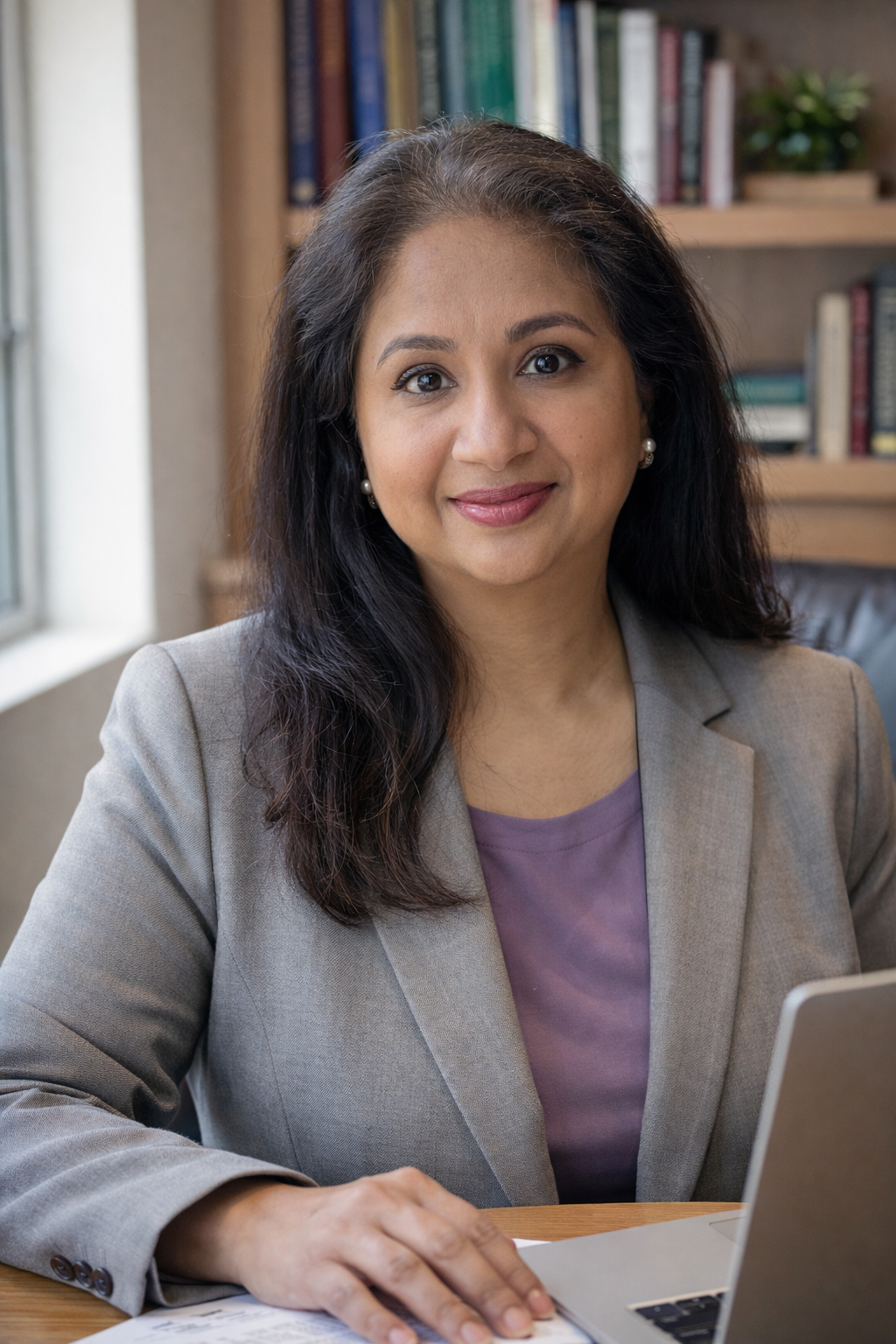
Denver-based nonprofit accountant with nearly a decade of experience in organizational finance, grant compliance, and restricted fund stewardship — most of it spent at The Denver Foundation, one of Colorado's largest and most rigorous philanthropic institutions. Priya joined the board after hearing Amanda speak at a women's leadership event in Denver — and stayed because she believes that good missions fail when financial infrastructure fails first.
As Treasurer, Priya manages dual authorization controls, monthly reconciliation, and restricted fund tracking. She is the reason every major funder who reviews RHSH's governance walks away satisfied.

Licensed psychologist with more than seventeen years of clinical experience in trauma, PTSD, and child and adolescent mental health — practicing out of Pueblo, forty-five minutes south of Colorado Springs. Dr. Cappa-Meléndez leads Pueblo Pioneer Psychology and has spent his career treating the military-adjacent populations that most clinical practices are not equipped to serve. He is bilingual in English and Spanish, and brings deep cultural fluency to the Latino military family community that makes up a significant share of RHSH's families.
He joined RHSH's board because he was tired of referring military families to organizations that weren't equipped for the complexity of their situations. He oversees clinical quality, ensures RHSH's programming is trauma-informed, and provides the clinical backbone that larger funders require before committing significant grants.

Diana Tsosie is a community organizer and family advocate rooted in Colorado Springs with deep connections to the Indigenous military community — one of the most overlooked veteran populations in America. Native Americans serve in the U.S. military at a higher rate per capita than any other demographic, yet receive among the lowest levels of culturally appropriate support upon return.
Diana spent eight years working with the Colorado Coalition for the Homeless before pivoting to military family advocacy after her nephew, a Navajo Nation veteran, returned from Iraq with no culturally competent support available to him. She joined RHSH because it was the first organization she had encountered that understood the intersection of military trauma, family systems, and cultural identity.

Cole Whitfield served six years in the U.S. Navy before building a career in corporate development and philanthropy in Colorado Springs. He currently serves as Director of Community Partnerships at a leading Colorado healthcare system and sits on the CSR committees of two regional corporations — which means he has direct access to the budgets that fund organizations like RHSH.
Cole bridges two worlds that most nonprofits treat as separate: veteran credibility and corporate access. He joined RHSH because he knows what it feels like to come home and realize the civilian world has no framework for what you've been through — and he is committed to ensuring every organization he supports has the resources to change that.
Most nonprofit boards are assembled from professional networks and credential lists. RHSH's board was assembled from stories. Every person sitting on this board has a personal reason — a veteran they love, a family they watched struggle, a gap they personally fell into — that made saying yes feel less like a choice and more like a responsibility.
That is not a perfect board. It is an honest one. And funders who have reviewed thousands of applications know the difference.
RHSH is committed to the governance practices that major donors and grant partners expect. Below is a plain-language overview of our structure and controls.
| Board meetings | Quarterly — with special sessions as needed. Minutes recorded and retained. |
| Financial oversight | Board Treasurer reviews monthly statements. All expenditures above threshold require dual authorization (ED + Treasurer). |
| Accounting | Wave cloud-based accounting software. Monthly reconciliation. Financial statements available to funders on request. |
| Conflict of interest | All board members sign annual conflict of interest disclosures. No board member receives compensation from RHSH. |
| Restricted funds | Tracked separately. Scope confirmed before acceptance. Closeout summary provided at period end. |
| Funder reporting | Mid-year and end-of-year written reports. Quarterly impact updates for major donors. |
| Documents available | IRS determination letter · Board list · Financial statements · Conflict of interest policy · Curriculum overview |
| Site visits | Welcome — contact us to arrange a program officer visit or school partner introduction. |
The most fundable nonprofits aren't the ones with the biggest boards or the most impressive credentials. They're the ones where leadership genuinely reflects the work — where the people making decisions have done the work, lived the need, and built accountability into the structure.
At RHSH, the founder navigated the veteran support system as a desperate mother before she built a nonprofit. The Board Chair served 25 years in the Army — including deployments to Bosnia and Iraq — before she guided a nonprofit board. The clinical director has spent seventeen years treating the exact population RHSH serves. The community liaison knows every veteran in El Paso County personally.
That's not a perfect board — it's an honest one. And as RHSH grows, we're adding people who bring what we don't yet have, not people who look good on paper.